
Mature Catfight: Meaning, Media, and Cultural Context
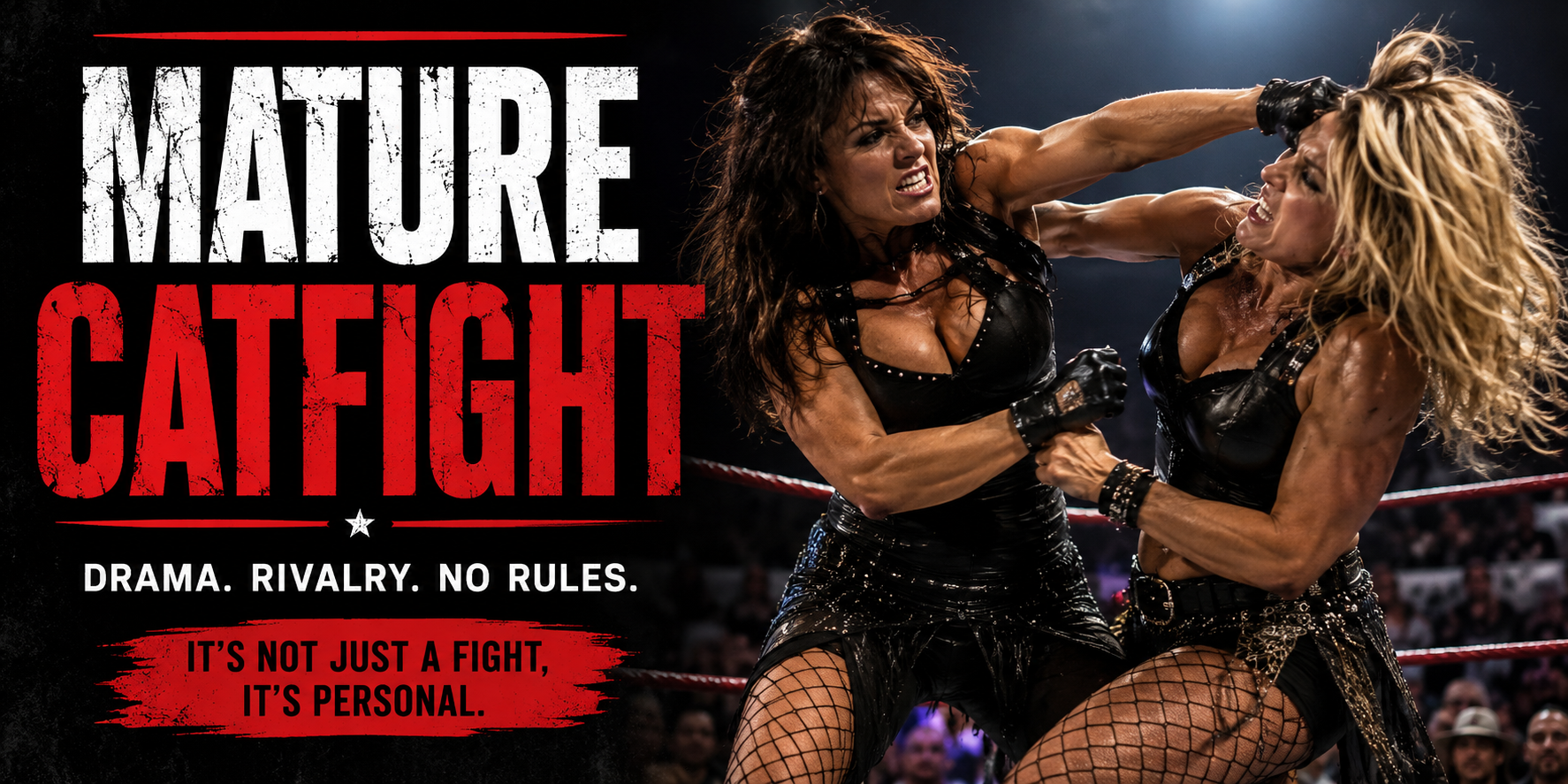
Learn about Mature Catfight, its meaning, media history, cultural impact, common portrayals, and ethical considerations in this informative guide.
Mature Catfight: Meaning, Media, and Cultural Context
The term Mature Catfight is commonly used to describe a fictional or staged physical confrontation between mature adult women in entertainment, media, literature, or online content. Over the years, this phrase has appeared in movies, television dramas, comics, professional wrestling storylines, and fictional storytelling. While the term often suggests conflict, it does not always involve serious violence. In many cases, it refers to scripted, choreographed, or symbolic confrontations created for dramatic or entertainment purposes.
Understanding Mature Catfight requires looking beyond the phrase itself. It involves examining its origins, how it is portrayed in different forms of media, its role in storytelling, and the ethical considerations surrounding its depiction. This article provides factual information without promoting or glorifying violence.
What Is Mature Catfight?
A Mature Catfight generally refers to a confrontation involving adult women, often within fictional or staged scenarios. The word “mature” identifies the participants as adults, while “catfight” has historically been used to describe conflicts between women.
Today, many media professionals and researchers consider the word “catfight” outdated because it can reinforce stereotypes about women. Modern productions often prefer terms such as “fight scene,” “physical confrontation,” or “action sequence.”
History of the Term
The phrase developed during the twentieth century, particularly in newspapers, magazines, and film reviews. It became popular in Hollywood films where female rivalries were used to increase dramatic tension.
In earlier decades, scenes labeled as Mature Catfight were often exaggerated for entertainment. Costume design, dramatic music, and theatrical choreography were common elements designed to attract audiences rather than represent realistic conflict.
As storytelling evolved, filmmakers increasingly focused on character development rather than using physical confrontations simply for spectacle.
Common Media Appearances
The concept of Mature Catfight appears across multiple forms of entertainment.
| Media Type | Typical Representation | Purpose |
| Television dramas | Emotional confrontations | Character development |
| Movies | Scripted action scenes | Story progression |
| Professional wrestling | Choreographed rivalries | Entertainment |
| Comics and graphic novels | Stylized conflicts | Visual storytelling |
| Fan fiction | Fictional scenarios | Creative writing |
| Online discussions | Analysis of scenes | Community engagement |
Each medium presents confrontations differently depending on its audience and storytelling goals.
Storytelling Purpose
In fiction, a Mature Catfight usually serves several narrative functions:
- Builds dramatic tension.
- Highlights character conflicts.
- Advances the storyline.
- Resolves long-standing rivalries.
- Creates emotional turning points.
Rather than existing solely for action, these scenes often reflect differences in goals, beliefs, or personalities between characters.
Choreography and Production
Most televised or filmed confrontations are carefully planned. Professional stunt coordinators work with actors to create scenes that appear realistic while prioritizing safety.
Production typically includes:
- Fight choreography
- Safety rehearsals
- Camera angle planning
- Protective equipment
- Editing and sound effects
As a result, what viewers see on screen is usually the product of extensive preparation rather than genuine physical conflict.
Cultural Perspectives
The perception of Mature Catfight varies across cultures.
Some audiences view these scenes as dramatic storytelling devices, while others criticize them for reinforcing gender stereotypes. Modern writers increasingly emphasize realistic motivations instead of presenting conflict as entertainment alone.
Academic discussions often examine how female conflicts have historically been portrayed differently from male confrontations.
Differences Between Fiction and Reality
An important distinction is that fictional confrontations differ significantly from real-life disputes.
Fiction
- Carefully scripted
- Planned choreography
- Professional performers
- Safety measures
- Multiple camera takes
Reality
- Unpredictable
- Potentially dangerous
- Emotional consequences
- Legal implications
- Risk of injury
Recognizing this difference helps audiences understand that entertainment should not be confused with acceptable real-world behavior.
Modern Trends
Recent entertainment has changed how conflict between female characters is presented.
Instead of relying solely on physical altercations, many productions now emphasize:
- Psychological conflict
- Strategic competition
- Verbal confrontations
- Character growth
- Complex motivations
These developments reflect changing audience expectations and broader conversations about representation in media.
Ethical Considerations
Media creators often consider several ethical issues when producing scenes involving conflict.
These include:
- Respectful representation
- Avoiding harmful stereotypes
- Performer safety
- Appropriate audience ratings
- Responsible storytelling
Many studios also employ intimacy coordinators or stunt coordinators to ensure performers remain safe throughout production.
Audience Interpretation
Viewers interpret Mature Catfight scenes differently depending on personal experiences and cultural backgrounds.
Some appreciate well-written dramatic sequences that support the narrative, while others prefer stories that resolve disagreements through dialogue rather than physical confrontation.
Media literacy encourages audiences to evaluate why conflict appears in a story and whether it contributes meaningfully to character development.
Influence on Popular Culture
The phrase has become part of popular culture through decades of movies, television shows, magazines, and internet discussions.
It has influenced:
- Entertainment journalism
- Fan communities
- Television recaps
- Fiction writing
- Pop culture commentary
Despite its widespread recognition, many contemporary writers choose more neutral terminology when describing similar scenes.
Responsible Viewing
When watching fictional confrontations, it is useful to remember:
- Most scenes are professionally choreographed.
- Actors follow detailed safety procedures.
- Editing creates dramatic effects.
- Real conflicts have serious consequences.
- Fiction should not guide real-life behavior.
Understanding these points helps viewers appreciate production techniques while maintaining realistic expectations.
Conclusion
The term Mature Catfight has evolved significantly over time. Once widely used to describe dramatic confrontations between adult women in entertainment, it is now often viewed as an outdated expression that can reinforce stereotypes. Modern storytelling increasingly focuses on character depth, realistic motivations, and carefully choreographed action rather than sensational conflict.
Whether appearing in films, television, comics, or other fictional media, Mature Catfight scenes are generally scripted performances designed to support a narrative. Understanding their historical development, production methods, and cultural significance provides valuable insight into how entertainment continues to evolve.
Frequently Asked Questions
1. What does Mature Catfight mean?
It generally refers to a fictional or staged confrontation between mature adult women in entertainment or media.
2. Is Mature Catfight a real event or a fictional concept?
Most uses of the term refer to fictional, scripted, or choreographed scenes rather than real-life events.
3. Why has the term become controversial?
Some critics believe it reinforces gender stereotypes, leading many creators to adopt more neutral language.
4. Where is Mature Catfight commonly seen?
It appears in movies, television dramas, comics, professional wrestling storylines, and fictional literature.
5. Are these scenes real?
No. In professional productions, they are carefully choreographed with safety measures to protect performers.